The Ultimate Guide to Automotive Electrical Circuit Tester in the UK
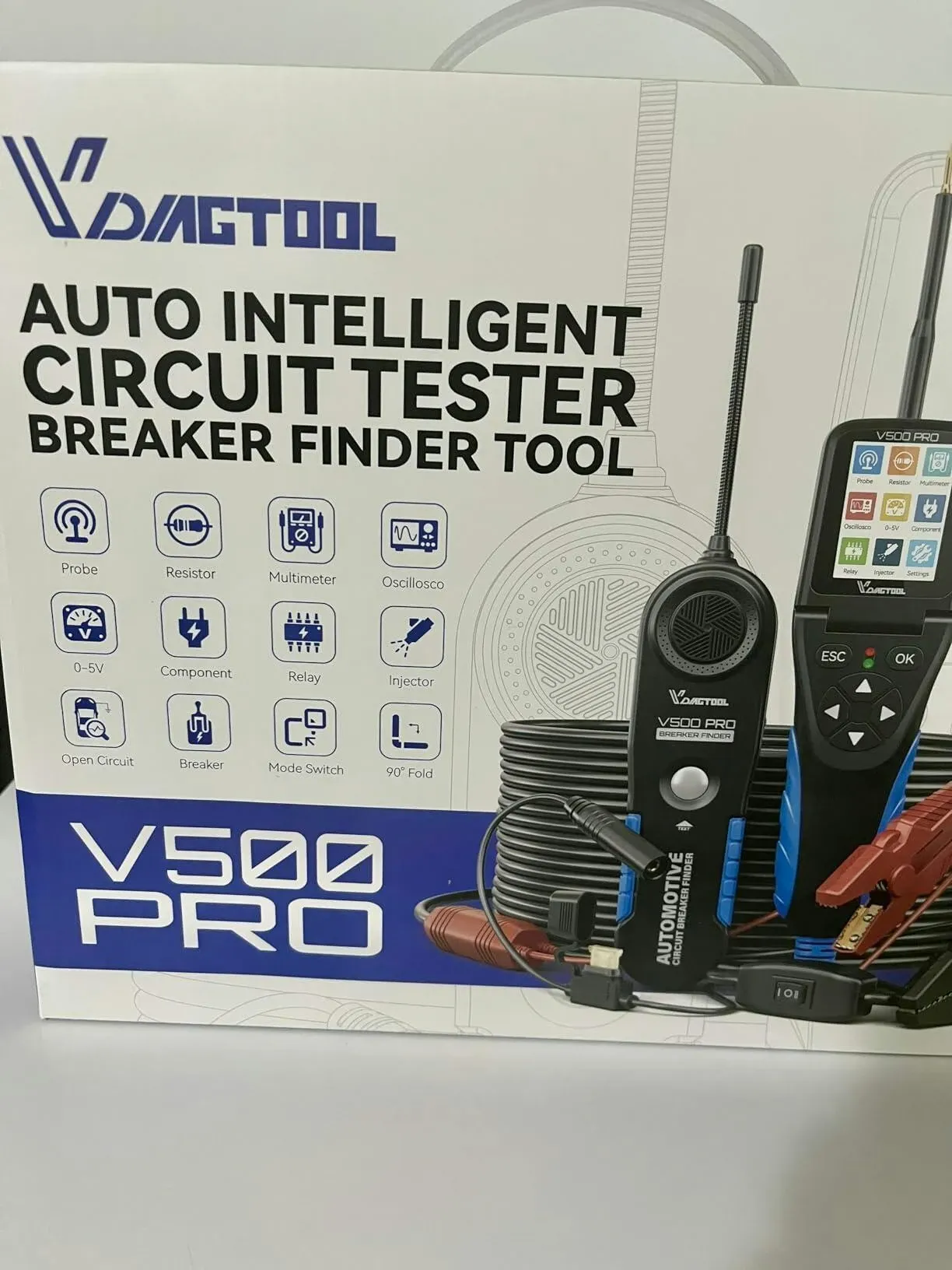
If you are searching for an automotive electrical circuit tester, the best answer is this: it is a handheld diagnostic tool used to quickly check voltage, earth, polarity, continuity and live circuit operation on a vehicle. Unlike a basic test light, and faster than using a multimeter alone for many workshop checks, a power-injected circuit tester helps UK mechanics and technicians trace faults in wiring, switches, relays, lights, motors and sensors on 12V and 24V vehicle systems.
At CircuitTest UK, we work with technicians who need practical answers, not guesswork. Therefore, this guide explains what an automotive electrical circuit tester does, how it differs from a multimeter or test light, where it is most useful in a UK workshop, and how to use one safely on modern vehicles.
What is an automotive electrical circuit tester?
An automotive electrical circuit tester is a diagnostic tool used to test low-voltage vehicle circuits for power supply, earth connection, polarity and signal presence. In many cases, advanced models also allow power injection, meaning you can apply battery positive or ground to a component or wire for faster fault-finding.
In simple terms, it helps answer key workshop questions quickly:
- Is this wire live?
- Is there a good earth?
- Is the switch passing voltage properly?
- Will this motor, fan or relay activate if power is applied directly?
- Is the fault in the component or in the wiring?
As a result, a good car electrical tester can speed up diagnosis on everything from number plate lamps and trailer wiring to blower motors and intermittent lighting faults.
What does an automotive electrical circuit tester do?
A proper automotive circuit probe tester typically performs several tasks in one tool. However, features vary by model. The most useful functions for day-to-day UK workshop work include:
Power and voltage detection
The tester confirms whether battery voltage is present at a fuse, connector, switch output or component terminal. This is often the fastest first check when dealing with non-working lamps, pumps or accessories.
Earth testing
Poor earths are extremely common on older cars, vans exposed to road salt and moisture-prone connections. A diagnostic probe helps you identify whether the ground side of the circuit is intact before replacing parts unnecessarily.
Polarity identification
Many tools use LED indicators or audible alerts to show whether the point being tested is positive or negative. Consequently, this reduces confusion when probing unfamiliar wiring colours or modified harnesses.
Continuity checks
If a wire or switch may be open circuit, continuity testing helps confirm whether current can pass through the path. This is particularly useful during harness repairs or when checking connectors damaged by corrosion.
Component activation
A power-injected unit can apply battery positive or ground to suitable components such as relays, fans or motors. Based on our testing in workshop fault-finding scenarios, this is one of the biggest time-savers because it separates wiring faults from failed components very quickly.
Short-circuit tracing
Some testers include overload protection or an integrated breaker so technicians can safely pulse circuits while tracking shorts. Even so, correct procedure still matters greatly.
Is an automotive electrical circuit tester better than a multimeter?
An automotive electrical circuit tester is not always a replacement for a multimeter; instead, it is often the faster tool for initial fault-finding. A multimeter remains essential for precise voltage drop testing, resistance measurement and sensor diagnosis. Nevertheless, when you need quick answers at the vehicle, a powered diagnostic probe can be more efficient.
The difference comes down to how each tool works:
- Multimeter: excellent for accurate measurement and deeper analysis
- Basic test light: simple indication of live power only
- Power-injected automotive electrical circuit tester: active testing of live feed, earth and component operation
For example, if a radiator fan does not run:
- A multimeter will help you measure supply voltage and resistance carefully.
- A test light may show that some voltage exists.
- A circuit probe tester may let you confirm live supply, confirm earth quality and directly activate the fan motor if appropriate.
Therefore, many technicians use both tools together rather than choosing only one.
How is a circuit probe tester different from a test light?
This is one of the most common sources of confusion. A basic test light usually indicates whether power is present by illuminating when connected between live and earth. By contrast, an advanced automotive electrical circuit tester offers broader diagnostic capability.
A power-injected probe may include:
- Voltage indication
- Positive/negative polarity identification
- Audible continuity alerts
- Circuit activation with battery positive
- Circuit activation with ground
- Circuit breaker protection
- A long lead for reaching front-to-rear vehicle circuits
In other words, it does far more than simply tell you whether “something lights up”. For modern vehicles with more complex wiring looms and control systems, that extra functionality matters.
Why do UK mechanics use automotive electrical circuit testers?
UK workshops regularly deal with faults caused by moisture ingress, corroded connectors, poor trailer socket wiring, damaged tailgate looms and ageing grounds. In addition, modern cars include more control modules, convenience systems and electrically operated components than ever before.
According to UK workshop experience and common MOT-related repair patterns, lighting defects and other electrical issues remain frequent reasons vehicles need remedial work before passing inspection. While MOT standards themselves do not require any specific brand of diagnostic tool, efficient testing equipment helps technicians find faults more reliably before parts are replaced.
At CircuitTest UK, based on our testing across typical British use cases including hatchbacks, vans and utility vehicles, these tools are especially helpful for diagnosing:
- Exterior lighting faults
- Towbar electrics and trailer connections
- Poor bonnet-area grounds
- Cabin blower motor issues
- Fuel pump supply faults
- Cooling fan non-operation
- Electric window problems
- Central locking issues
- No-crank relay control faults
What can you test with an automotive electrical circuit tester?
You can test many common low-voltage vehicle circuits with an automotive electrical circuit tester. However, you should always follow vehicle manufacturer procedures before probing sensitive electronics or control-module circuits.
Lighting circuits
Sidelights, brake lights, reverse lamps, fog lights and indicators are often straightforward candidates for power and earth checks. Furthermore_,_ rear lamp clusters on UK vehicles commonly suffer from corrosion at connectors or bulb holders.
Relays and fuses
You can quickly confirm whether fuse terminals are live on both sides and whether relay sockets have proper feed and switching paths. Consequently_,_ suspected relay failures become easier to isolate.
Motors and actuators
wiper motors_,_ washer pumps_,_ radiator fans_,_ boot release actuators and blower motors can often be checked by direct activation where safe and appropriate.
Ready to diagnose faults faster with CircuitTest UK?
Upgrade Your Diagnostics — £301.71